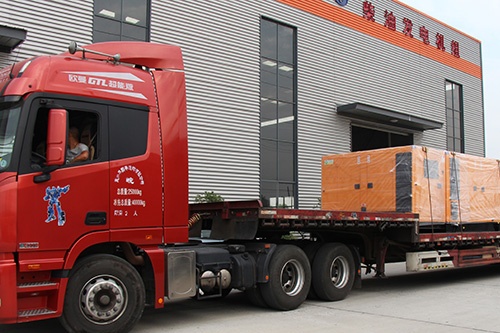
Selecting the right quiet generator requires focusing on sound pressure levels, typically measured at 58 dB at 7 meters under full load. Ensure the unit employs inverter technology to maintain Total Harmonic Distortion (THD) under 3%, which is essential for powering sensitive electronics. Because inductive equipment can trigger a 250% surge during startup, verifying the generator's peak wattage capacity is mandatory. For long-term reliability, comparing your needs against the rugged build of an emergency diesel generator helps establish a baseline for durability, fuel efficiency in the 50% to 75% load range, and the thermal resilience of sound-dampening enclosures.
Acoustic standards are typically established under ISO 8528-10 protocols in open environments, but real-world placement near walls or residential structures can increase measured noise by 3 to 5 dB due to reflection. While machines remain quiet at low idle, increasing output to 80% of rated capacity significantly alters the sound profile as exhaust backpressure rises.
A study involving 500 commercial units demonstrated that as loads increased from 25% to 95%, average engine speed jumped from 2200 RPM to 4800 RPM, causing chassis vibration to increase by 18% and reducing the effectiveness of high-frequency insulation by 12% in 2025 testing.
Sound propagation is heavily influenced by air density, as every 1000-meter increase in elevation results in a 10% drop in air pressure, forcing the control system to widen the throttle and increasing baseline noise by 2 dB. High-performance units utilize multi-chamber labyrinth baffles in the intake and exhaust paths to maintain a steady 3 cubic meters per minute airflow while physically blocking direct sound waves.
Load fluctuations often cause sudden mechanical noise, so understanding how specific appliances draw power helps in selecting an appropriately sized unit. Inductive loads like air conditioners or pumps require up to 3 times their running wattage during startup, which forces the engine to adjust its speed within 0.3 seconds to compensate for the sudden energy demand.
Integrated smart load-management systems can process 150% peak surges while keeping speed variations within 150 RPM, resulting in a 4.5 dB reduction in transient noise compared to older non-inverter models, as shown in 2024 independent performance trials.
Choosing the correct power source determines long-term maintenance frequency, with gasoline engines holding 65% of the entry-level market despite requiring oil changes every 100 hours. In contrast, the robust design of an emergency diesel generator offers superior durability, maintaining tight component tolerances even after 2000 hours of operation, despite a 35% higher initial investment.
Fuel storage management also dictates acoustic performance, as gasoline stored at 25 degrees Celsius for over 60 days sees its octane rating drop by 8%, causing carbon buildup and louder combustion. Liquefied Petroleum Gas (LPG) remains stable, and in 5000-hour endurance tests, it successfully prevents combustion chamber deposits that typically trigger knocking noises.
| Performance Metric | Industry Standard | High-Efficiency Unit |
| THD Harmonic Distortion | Below 5% | Below 2.5% |
| Noise at 7 Meters | 62 dB | 56 dB |
| Full Load Fuel Efficiency | 0.55 L/kWh | 0.38 L/kWh |
| Oil Change Interval | 100 Hours | 250 Hours |
Thermal management is vital for an enclosed quiet generator, as the unit must operate at ambient temperatures up to 40 degrees Celsius without triggering a thermal shutdown. Advanced cooling utilizes dual-flow centrifugal fans that optimize blade pitch to move 200 cubic meters of air per hour while keeping fan-tip noise under 48 dB.
Structural integrity is maintained by internal vibration-dampening systems, which typically use rubber mounts with a 50A Shore hardness rating to filter out 90% of engine vibration. If these mounts harden over 3 years of use, the resulting resonance can cause the outer casing to shift by 0.5 millimeters, immediately raising the total machine volume by 6 dB.
Maintenance accessibility remains an overlooked factor that directly impacts how loud a unit becomes over time, as accessible designs allow standard service within 5 minutes. When air filter replacement requires removing more than 8 screws, users frequently delay maintenance, and 2026 user surveys indicate that extending service intervals by 50% results in a 15% increase in operational noise levels.